Reference Strategy / Infrastructure 02

Storage Infrastructure

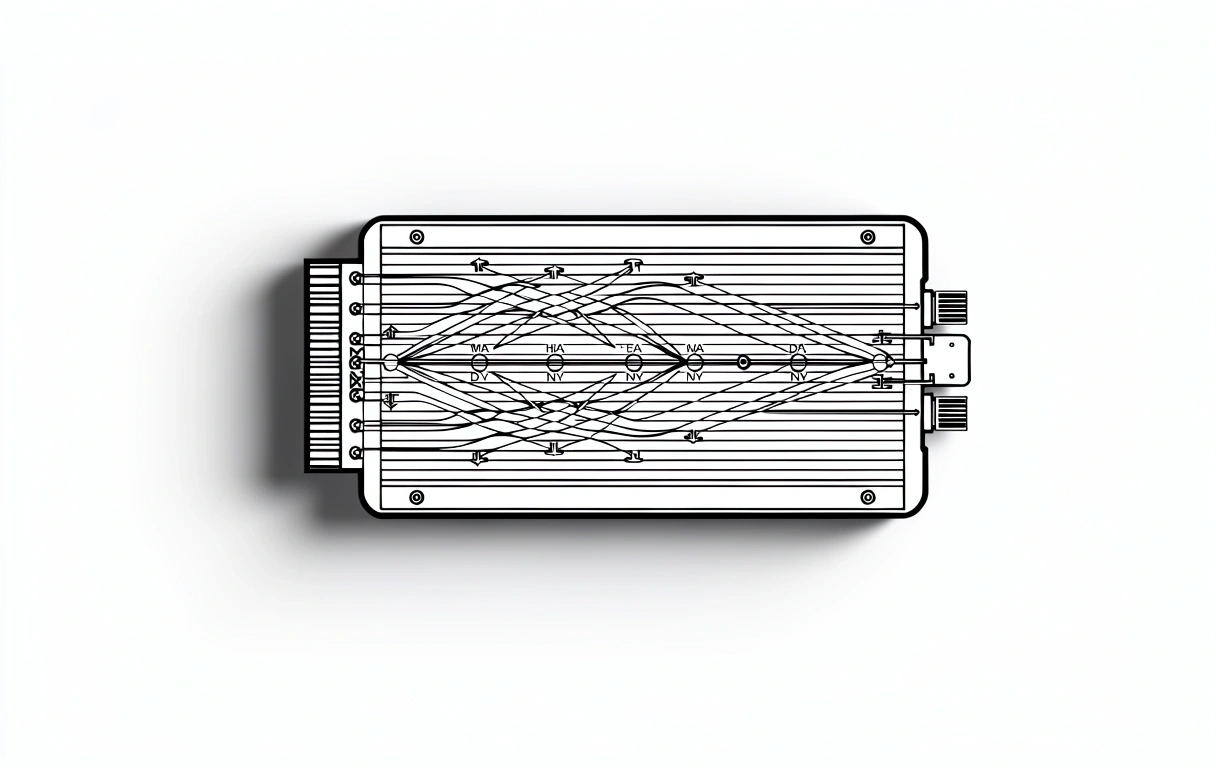
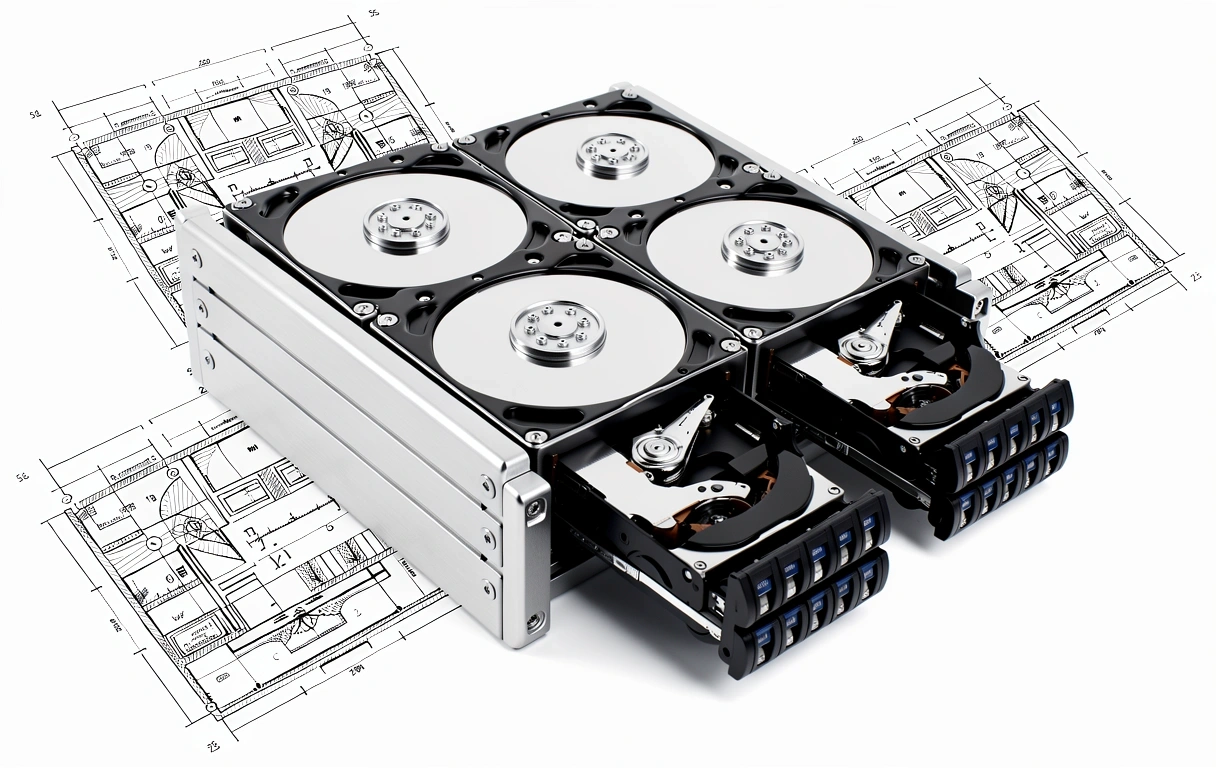
A deep editorial review of the hardware requirements for modern macOS preservation. Stability in a mac clone operation is determined not by capacity alone, but by the physical architecture of the disk, the chipset of the enclosure, and the integrity of the data lanes.

Professional storage hardware for macOS cloning
Data Lane Integrity

The Physical Reality of Redundancy

Successful data preservation relies on more than just software. When you prepare to clone mac to ssd, the bottleneck usually isn't the CPU—it is the physical storage interface. Traditional spinning HDDs, once the mainstay of backups, are increasingly unsuitable for modern APFS-formatted clones. The file system's metadata-heavy operations cause severe fragmentation on mechanical platters, resulting in a boot volume that may take minutes to reach the login screen.

For professional-grade safety, we shift our focus to NVMe architecture and high-bandwidth enclosures. Our goal is to create a mirror that is indistinguishable from the internal Mac drive in both speed and reliability.

Architecture Comparison

Legacy Standard

SATA III (6Gbps)

The ceiling for SATA is approximately 560MB/s. While reliable for standard file backups, it struggles under the IOPS demands of modern macOS. Attempting to use a ccc backup mac destination that is SATA-based for a bootable drive results in noticeable system lag and delayed application launches.

Bus Power Draw ~500mA
Latency High (ms)
Recommendation Archive Only

Current Standard

NVMe PCIe Gen 4

The performance gap becomes critical when booting. USB 3.2 Gen 2 (10Gbps) or Thunderbolt (40Gbps) interfaces allow NVMe drives to sustain speeds over 1000MB/s and 2500MB/s respectively. This ensures that your mac clone performs with the same agility as the primary internal storage.

Bus Power Draw 900mA+ (Standard Peak)
Latency Near Zero (μs)
Recommendation Primary Boot Strategy
Internal hardware chipset

Stability Lock

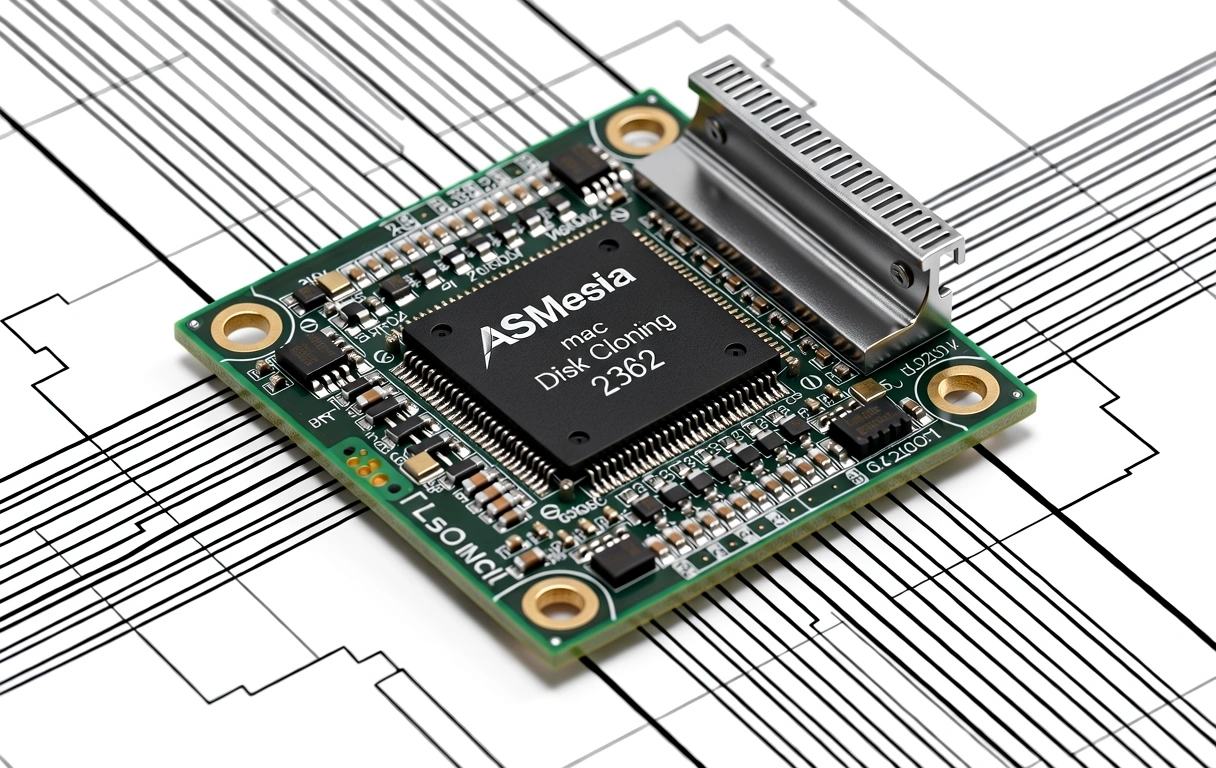
Enclosure chipsets like ASMedia 2362 or Intel JHL7440 determine boot-volume visibility in macOS Recovery.

Infrastructure Report 04.2

The Silent Heroes: Chipset Stability

A drive may be fast, but if the enclosure's chipset does not correctly negotiate with the macOS bootloader, the mac disk clone is effectively useless as a restoration point. Inexpensive USB-to-SATA bridges often fail to support the UASP protocol, leading to random unmounts during heavy write cycles.

The 900mA Power Barrier

Bus-powered NVMe enclosures offer portability but can lead to data corruption on MacBook systems if they draw more than 900mA. This is particularly dangerous when daisy-chained. For mission-critical clones, we recommend powered desktop stations to ensure the voltage remains rock-solid during a 4-hour checksum verification.

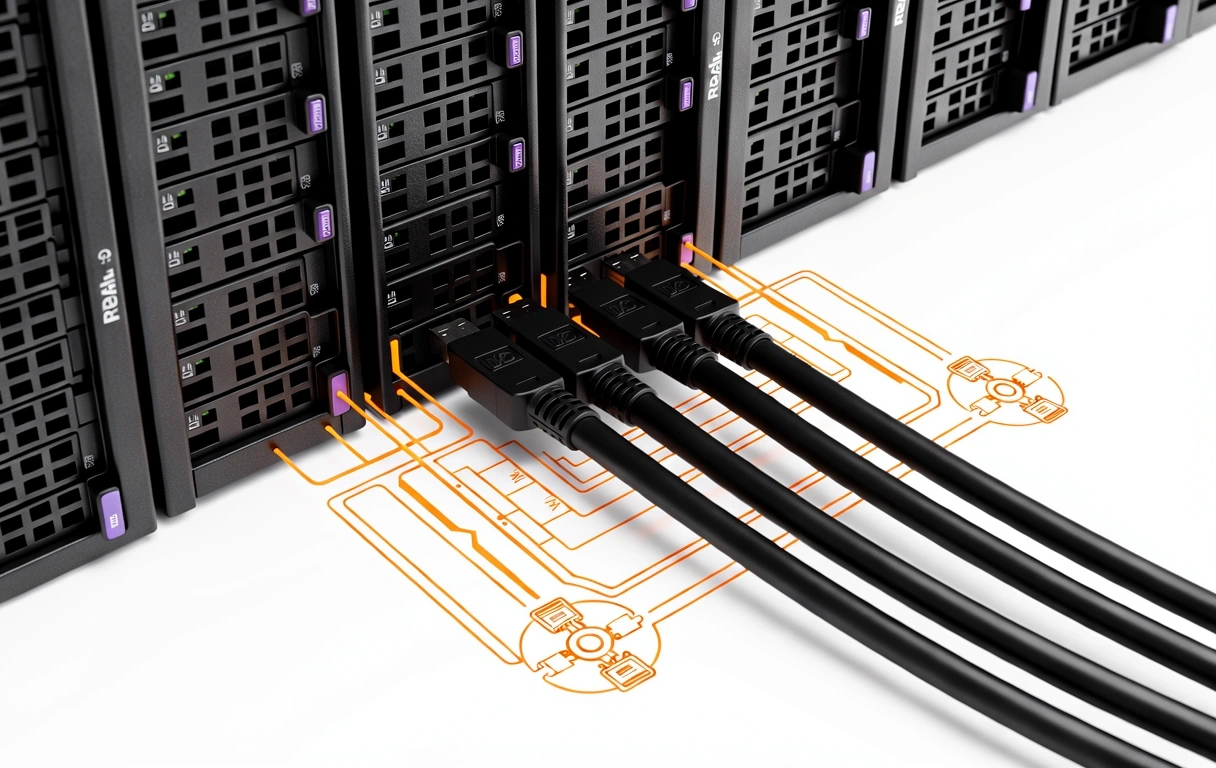
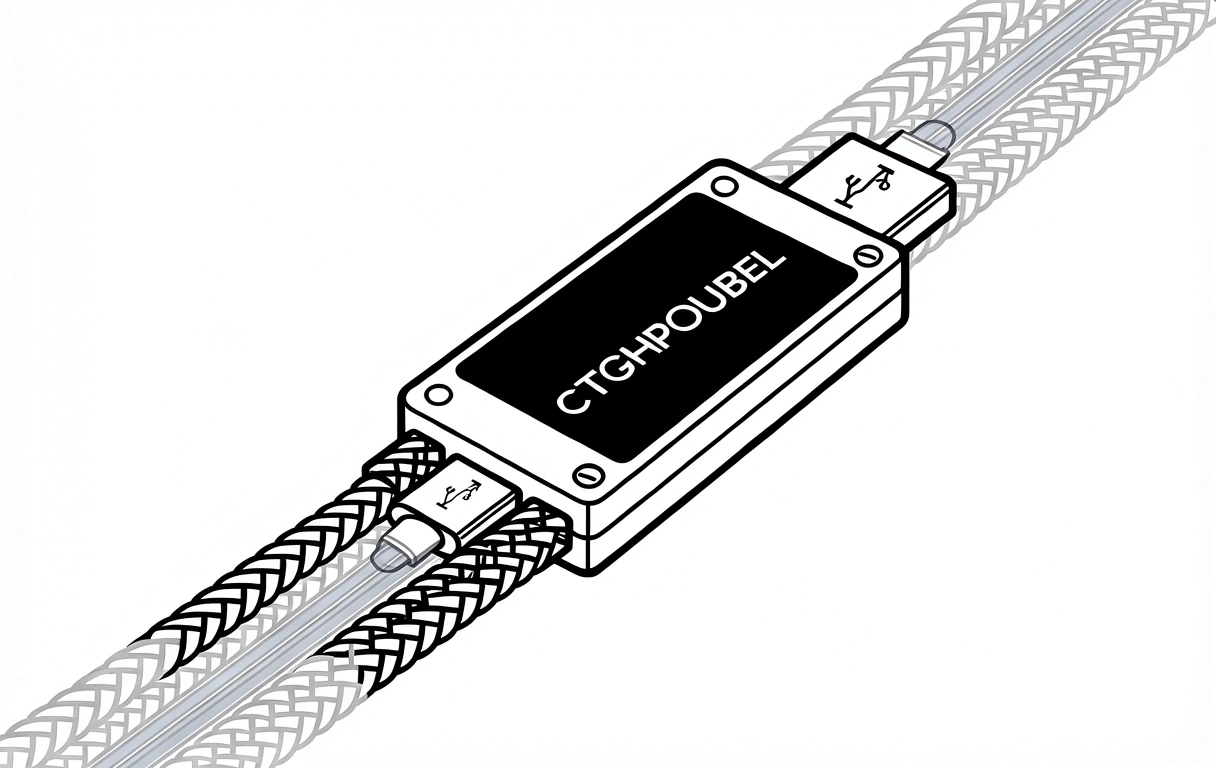
Furthermore, cabling is frequently the invisible point of failure. A charging cable provided with a laptop may look identical to a 10Gbps data cable, but it will limit your high-speed SSD to 480Mbps, significantly inflating the time of a 1TB initial clone.

Hardware Folio 2026

Our editorial selections for stable external boot volumes and deep-archive storage. These units have been verified against APFS Snapshot behavior and bootable backup protocols.

Pro SSD

Enclosed NVMe Array

Thunderbolt 4

The gold standard for a bootable backup. Integrated heat sinks prevent thermal throttling during massive data transfers, ensuring sustained speeds over 2200MB/s.

  • Interface: PCIe Gen 3x4
  • Max Draw: 12W
  • Heatsink: Active/Passive
Request Spec Sheet
Portable SSD

Field Mobility SSD

USB 3.2 Gen 2

Best for mobile professionals. While limited to 1050MB/s, the ruggedized housing protects against the physical shocks of off-site rotation.

  • Interface: SATA-USB
  • Max Draw: 4.5W
  • Protection: IP67
View Comparison
RAID Array

Dual-Bay Mirror

RAID 1 Mirror

RAID 1 arrays provide hardware-level mirroring but remember: they do not replace a true clone. They protect against disk failure but not deletion.

  • Interface: SATA / USB-C
  • Max Draw: External AC Power
  • Resilience: 1-Disk Failure
Inquire Availability

File System Logic

APFS Snapshots & Overhead

A 500GB drive may actually require 600GB of physical space to account for local snapshots and version history. APFS creates immutable read-only records that occupy space until they are explicitly thinned or aged out by backup software.

ID: STO-FS-009

Thermal Engineering

Sustained Write Dynamics

Sustained write speeds matter more than burst speeds for initial 1TB+ clones. Many consumer SSDs utilize SLC caching; once this tiny cache is exhausted, the drive may throttle to speeds slower than an old mechanical drive. Hardware with dedicated thermal management prevents this "cliff" during multi-hour data verification cycles.

PRO PERFORMANCE (SUSTAINED) 85% STABILITY
CONSUMER SSD (THROTTLED) 30% STABILITY

Implementation Step

GUID Partition Mapping

Formatting a new drive for a mac disk clone requires specific settings to be visible to the Startup Disk utility. Ensure the 'Scheme' is set to GUID Partition Map and the 'Format' is APFS or Mac OS Extended (Journaled) depending on the OS generation.

Durability

Off-Site Integrity

Drive durability is not just about drops. It is about the power supply reliability during a critical system restoration. Desktop 'powered' drives provide a level of electrical shielding and current consistency that bus-powered sticks cannot match.

Cable Protocol

The 480Mbps Trap

Using a standard charging cable instead of a high-bandwidth data cable will limit a 10Gbps drive to 480Mbps speeds. Always verify the lightning bolt or SS (SuperSpeed) logo on the connector housing.

Infrastructure Assessment

Analyze your current hardware stack to verify its suitability for a primary macOS bootable clone.

?

System Suitability Score

Select your hardware parameters above to see audit results.

The Consultant’s View

A clone is only as strong as its weakest link. If you are preparing to mac clone high-density video projects or developer environments, do not compromise on the enclosure. Many drives overheat after 20 minutes of sustained traffic—right when the heavy metadata writing begins.


Technical Support

Phone: +43 1 529 9938

Email: info@truecoliving.com

ID: TC-HW-AUDIT-2026

Ready to architect your backup?

truecoliving • Mariahilfer Strasse 57 • 1070 Vienna, Austria