Document Ref: TC-GUIDE-2026-04

The Manual of macOS System Preservation.

This editorial guide establishes the foundational principles for executing a perfect mac disk clone. We treat data not as a collection of files, but as a structural blueprint that defines your professional uptime and intellectual continuity.

Technical hardware schematic

Table of Contents

Our research focuses on the intersection of bit-for-bit accuracy and operational failover. Browse our core modules to master the mac clone process.

SPEC-01

The Philosophy of a Bootable Clone

A standard backup preserves files, but a bootable ccc backup mac configuration preserves state. For researchers handling complex software dependencies or large-scale data analysis, the time lost to a fresh system reconfiguration is the true cost of failure. By maintaining a mirror of your system, you bypass recovery timelines entirely.

Critical Insight: APFS & Apple Silicon

Modern macOS architecture requires higher sophistication than simple file dragging. The integration of Apple Silicon and the Secure Enclave means that true system bootability requires an "Apple-Signed" volume. We guide you through the process of utilizing Authenticated Root Volumes to ensure your failover disk is recognized by the system firmware.

Learn about Signed System Volumes →
SPEC-02

Storage Hardware: The Physical Layer

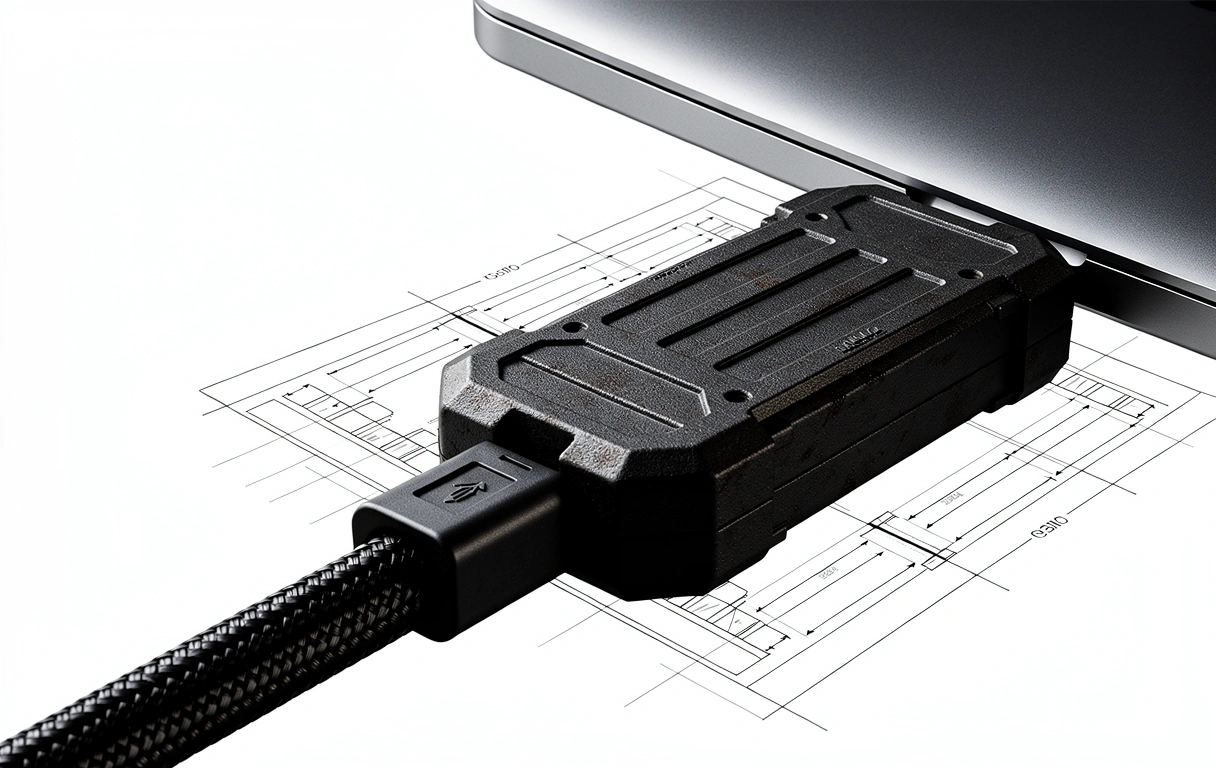
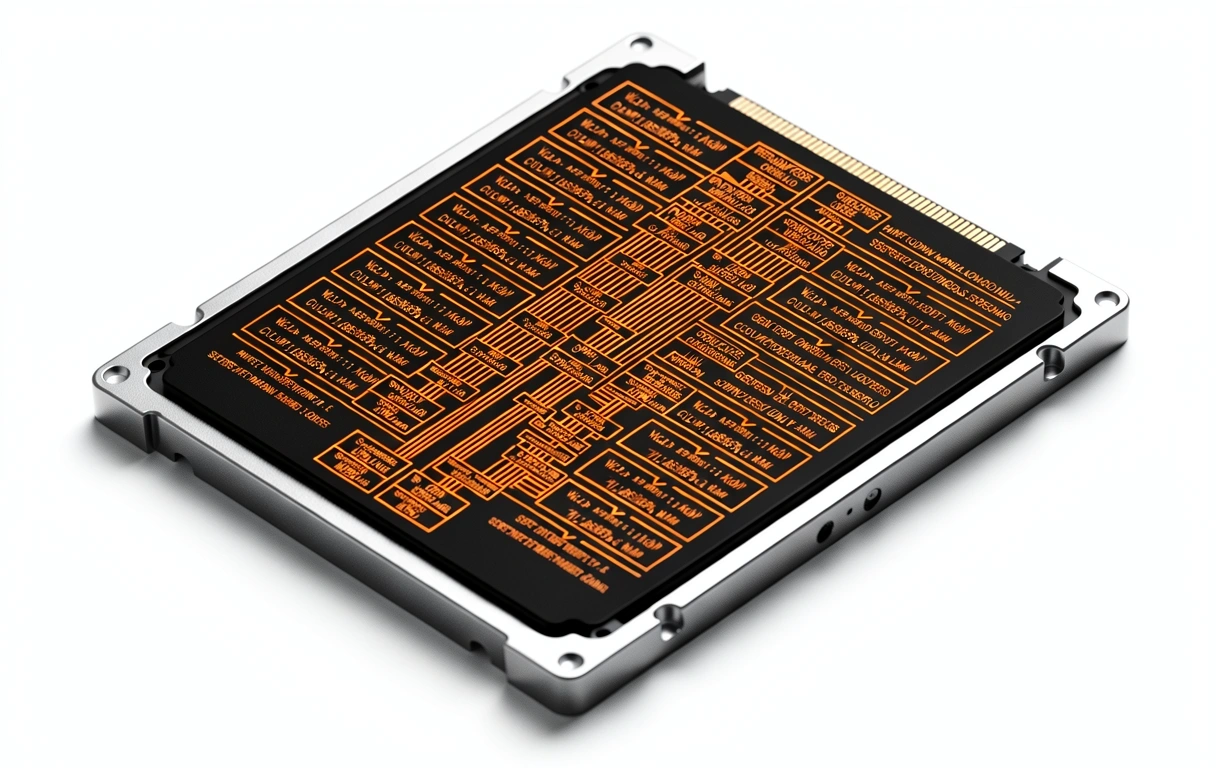
Before an engineer attempts to clone mac to ssd, hardware bottlenecks must be neutralized. A disk clone is only as reliable as the controller chip in the external enclosure. High-sustained write speeds are essential; otherwise, thermal throttling can corrupt the APFS snapshot mid-transfer.

Metric Target Specification Operational Impact
Bus Interface NVMe via Thunderbolt 3/4 Prevents SATA-based throughput caps
Cell Integrity 3D TLC or MLC NAND Ensures endurance for daily syncs
Protocol APFS Block-Level Copying Preserves hard links and metadata
Architectural Standard

Comparative Methodology

A

File-Level Synchronization

  • 01.

    Best for incremental backups where only modified user files need to be captured across partitions.

  • 02.

    Lower overhead on storage cells; ideal for network-distributed redundancy strategies.

  • 03.

    Requires manual reconfiguration of system preferences if used for disaster recovery.

B

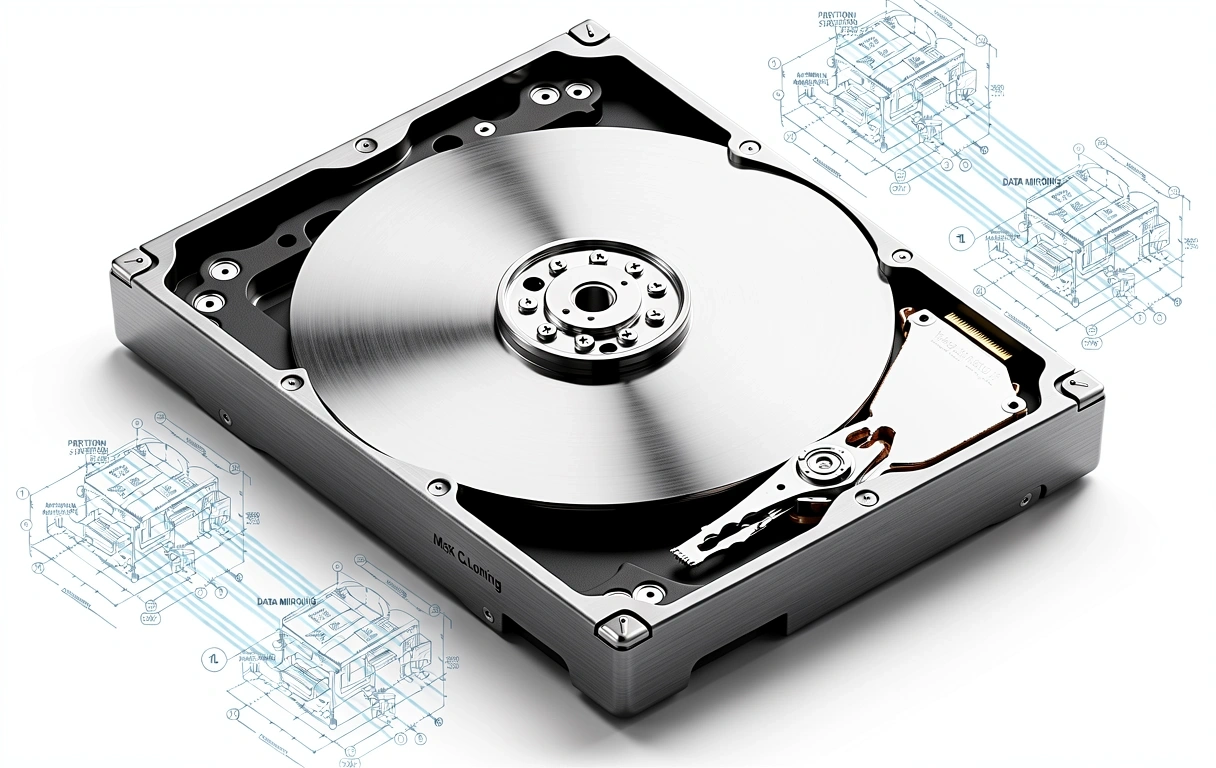
Full Block-Level Mirroring

  • 01.

    Creates a high-fidelity mac clone capable of immediate external booting upon primary failure.

  • 02.

    Preserves specialized driver stacks, symbolic links, and hidden system permissions for developer builds.

  • 03.

    Demands the highest standard of external drive hardware to maintain bit-per-bit identity.

* Selection depends on workstation criticality. High-uptime environments (research, video production, dev-ops) are mandated to follow Method B.

Compare Technical Specs →

Storage Infrastructure: The Archivist's Choice.

The reliability of your mac clone is deeply tied to the physical media. We review only hardware that meets rigorous preservation standards.

REVISION 4.2
HARDWARD COMPATIBILITY LIST 2026
Professional Grade Storage
Recommended

Enterprise NVMe Enclosures

When you clone mac to ssd, heat dissipation is the variable that determines success. Enterprise-grade chips maintain parity without the dropping bits associated with consumer-level heat soak.

View Hardware Standards
Rugged Field Archiving

Physical Redundancy Units

Field researchers requiring a portable mac clone must prioritize environment resistance. Data corruption can happen at the gate; we look at hardware that shields against electromagnetic interference.

Browse Field Gear

The Pre-Cloning Inventory

01. Utility Verification

Ensure you are utilizing a specialized tool like Carbon Copy Cloner or SuperDuper! designed for APFS block replication. Disk Utility's "Restore" feature is often insufficient for authenticated system volumes.

02. Drive Formatting

Your target SSD must be formatted as APFS with a GUID Partition Map. Case-sensitivity must match the source exactly to prevent symbolic link breaks.

03. Power Resilience

Always perform the first mac disk clone while connected to wall power. A battery failure mid-copy can leave the target drive in an uninitialized state.

04. Encryption Integrity

Consider whether to encrypt the target clone during the process. Encryption adds overhead but is mandatory for professional intellectual property security.

Looking for specific tactical advice on storage hardware?

Consult with our technical team

Ready to build your failover strategy?

Move beyond the basics of file storage. Transition your workstation into a resilient environment where a mac clone acts as your primary safety net.

0% Data Loss Tolerance
APFS Native Protocol focus
10GBps+ Recommended Interface
2026 Current Standards Set

Disclaimer: All technical documentation on Truecoliving is for educational purposes only. Always verify drive integrity via checksums before wiping source media.

LOC: 48.1977° N, 16.3533° E SYS_VER: macOS 16.x Compatible